What to Check Before You Request a Moving Estimate

An accurate moving estimate depends on accurate information, and most of that information lives in the details a homeowner doesn't think to mention until moving day. Doing a short walkthrough before you request a quote—rather than after the crew arrives—is one of the simplest ways to get a number that actually holds up.
Walk Every Room You Plan to Move
Start with a full lap of the house, not just the rooms you use every day. Garages, attics, sheds, and storage units are the spaces most often left out of a mental inventory, and they can hold a surprising amount of volume. If it's coming with you, it counts—write it down room by room rather than trying to estimate the total from memory.
Note Access at Both the Old and New Address
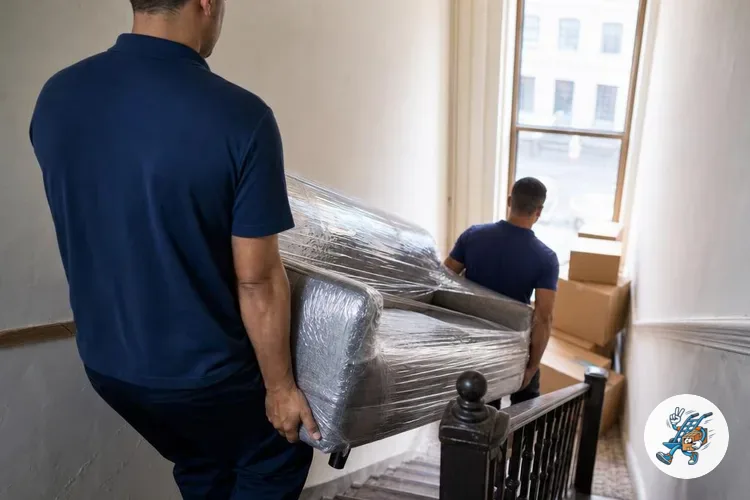
Stairs, elevators, long hallways, and parking or driveway conditions all affect how a move is planned. Walk your own entryways and note anything unusual: a narrow gate, a shared alley, an elevator that needs to be reserved, a driveway that won't fit a full-size truck. You don't need to solve any of this yourself—these are the same access factors that affect how long a move takes—but writing them down means your mover can plan for them instead of discovering them on the spot.
Flag Specialty and Oversized Items by Name
Pianos, large appliances, gym equipment, oversized furniture, and anything fragile or awkward to carry should be called out specifically rather than folded into a general item count. Naming these pieces up front—rather than pointing them out when the truck arrives—gives your mover a chance to plan the right equipment and handling for each one.
Decide What's Actually Coming
A walkthrough is also a natural moment to sort belongings into what you're keeping, donating, or discarding before you move them. An inventory that still includes things you plan to get rid of will inflate your estimate and your moving day both; deciding ahead of time keeps the number you get closer to the move you'll actually have.
Put It in Writing Before You Call
Once you've walked the space, put your notes together in one place—room-by-room inventory, access conditions at both ends, and any specialty items—before you request your quote. Sharing that upfront, whether by phone or through an estimate request, is what lets a truck-size recommendation and a time estimate reflect the move you're actually planning instead of a rough guess.